By the OnBoard IT Tech team, a licensed LA installer (CA #1039864). Serving Los Angeles since 2015.
Beverly Hills homes come in every shape and size, from gated estates off Sunset to condos near Wilshire. What they tend to have in common is a desire for discreet, reliable protection that doesn’t clash with the home’s look or the neighborhood’s character. If you’re considering surveillance camera installation in Beverly Hills, this guide walks through what actually matters: placement, wiring, picture quality expectations, and how to plan a system that holds up over time.
We’ve spent years installing low-voltage security systems across Los Angeles, and our team brings industry experience dating back to 2004. That background shapes how we approach every Beverly Hills property, whether it’s a hillside home with long driveways or a smaller lot with tight sightlines between neighbors.
Why Beverly Hills Homes Need a Thoughtful Camera Plan
Beverly Hills properties often have unique layouts: long private driveways, multiple entry points, pool areas, guest houses, and landscaping that can block sightlines or create hiding spots. A generic “camera kit” rarely accounts for these details, which is why a walkthrough matters more here than in a standard suburban install.
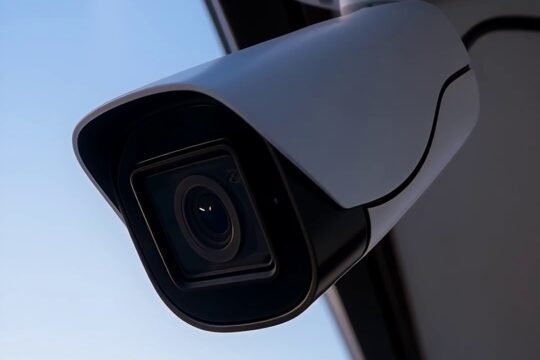
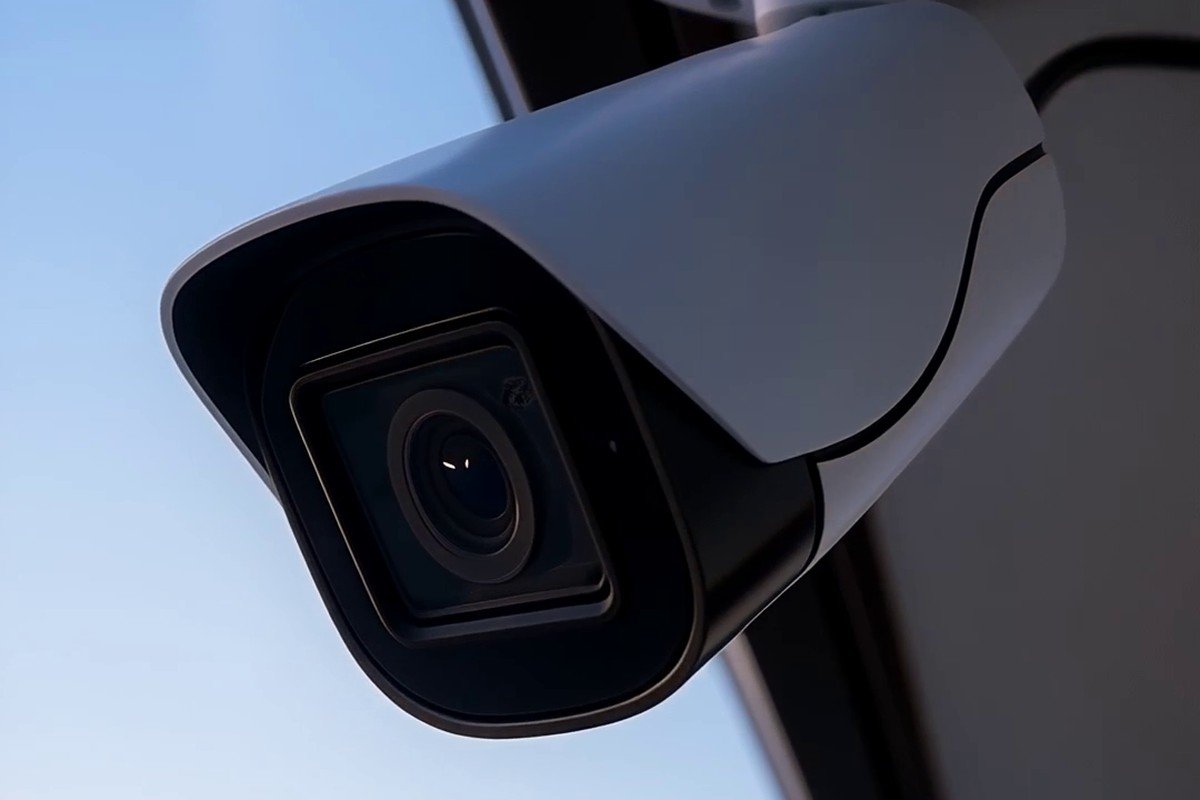
Homeowners in this area also tend to care about aesthetics. Visible wiring, bulky housings, or oddly placed cameras can stand out against carefully designed architecture. A good installer plans camera placement around both security coverage and how the finished system looks from the street or the backyard.
Finally, many Beverly Hills homes already have some form of smart-home technology in place. Cameras need to work alongside existing networks, gates, or lighting controls rather than as an isolated add-on.
Where to Place Cameras for the Best Coverage
Camera placement is the single biggest factor in whether a system actually helps when something happens. A few general principles we follow on Beverly Hills properties:
- Entry points first. Front doors, side gates, and garage entries are the most common areas people walk through, so they get priority coverage.
- Driveways and gates. Long driveways benefit from a camera positioned to capture vehicles and faces as they approach, not just a wide shot of the street.
- Pool and yard areas. These spaces are often overlooked until after an incident. Covering them from the start is far easier than retrofitting later.
- Overlapping angles. Instead of one camera doing all the work, two cameras with slightly overlapping fields of view reduce blind spots and give you a second angle if one view is obstructed.
- Height and angle. Cameras mounted too high lose facial detail; too low, and they’re vulnerable to tampering or obstruction. We aim for a height that balances both.
Every property is different, which is why we recommend a walkthrough before finalizing a layout. You can see how we approach surveillance camera installation for a sense of our process.
Wired vs. Wireless: What Actually Makes Sense
Beverly Hills homes vary widely in construction, from older plaster-and-lath houses to newer builds with accessible attic or crawl space runs. This affects whether a wired or wireless camera setup makes more sense.
Wired systems (using structured cabling run to each camera) generally offer more stable video and fewer dropped connections, especially across larger properties where Wi-Fi signal has to travel through thick walls or around outbuildings. Wireless cameras can be a reasonable option for smaller spaces or for homeowners who want a faster install with less cabling work, but they depend heavily on a strong, well-placed wireless network.
In many cases, we recommend a hybrid approach: wired cameras for key entry points and driveways, with wireless units filling in secondary areas like a side yard or detached garage. This is something we evaluate case by case rather than defaulting to one method for every home.
It’s worth noting that our work is strictly low-voltage. If a project uncovers a need for new electrical circuits, outlets, or line-voltage work to support a camera system, that portion is handled by a licensed electrician, not by our team directly.
Storage, Access, and Keeping Footage Private
Once cameras are in place, the next decision is how footage gets stored and who can access it. Most modern systems offer local storage (a recorder kept on-site), cloud storage, or a combination of both. Each has tradeoffs:
- Local storage keeps footage on your property and doesn’t depend on an internet connection to record, though you’ll want a plan for how much history you want to keep.
- Cloud storage makes it easier to review footage remotely from a phone or laptop, but it does rely on your internet connection staying up.
- Hybrid setups record locally as a primary method while also backing up key clips to the cloud.
Privacy matters too, especially in a community like Beverly Hills where homes are often close to neighbors. We talk through camera angles during the walkthrough to avoid unnecessarily capturing a neighbor’s windows or private yard space, which helps avoid friction down the line and keeps your system focused on your own property.
For exact storage options and current equipment choices, it’s best to get a free quote rather than rely on general numbers, since technology and options change over time.
What to Expect From a Professional Installation
A typical surveillance camera installation in Beverly Hills starts with an on-site assessment. This is where we walk the property, discuss your main concerns (package theft, driveway monitoring, pool safety, etc.), and identify where cabling can run cleanly without unnecessary wall damage.
From there, the installation itself generally includes:
- Mounting cameras at agreed-upon locations and heights.
- Running low-voltage cabling through attics, crawl spaces, or along discreet routes.
- Connecting cameras to a recorder or network video setup.
- Configuring remote viewing on your phone or computer.
- A final walkthrough to confirm camera angles and answer questions.
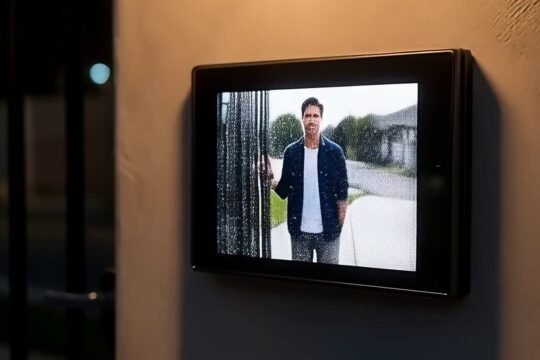
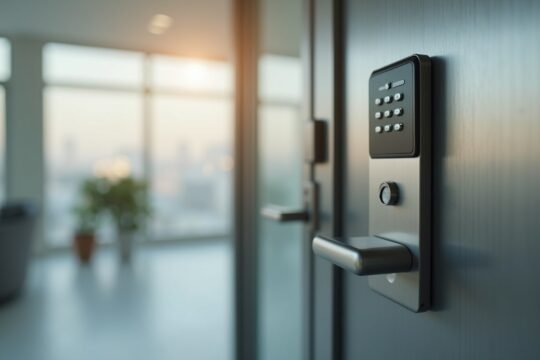
We also take integration into account. If you already have access control, an intercom, or other smart-home devices, we look at how the camera system fits alongside them rather than treating it as a standalone project.
Maintaining Your System Over Time
Cameras aren’t a “set it and forget it” purchase. Lenses can get dusty, especially near landscaping or pool areas. Firmware updates keep devices secure and functioning properly. And as your household changes (a new gate, a remodel, a new guest house) your coverage needs may shift too.
We recommend a periodic check of camera angles and picture clarity, particularly after any landscaping work or exterior changes to the home. If you notice gaps in coverage or a camera that’s no longer capturing what it used to, it’s worth a quick call rather than waiting until it becomes a bigger issue.
Frequently Asked Questions
Do I need a permit for surveillance camera installation in Beverly Hills? Requirements vary by property and by what the installation involves. Our team can discuss what applies to your specific project during the on-site assessment.
How many cameras does a typical Beverly Hills home need? It depends entirely on the property’s size, number of entry points, and what you want to monitor. Some homes do well with a handful of cameras covering main entries, while larger estates may need more extensive coverage. A walkthrough is the best way to get an accurate recommendation.
Can you integrate cameras with my existing smart-home or access control system? In many cases, yes. We look at your current setup during the assessment to determine the best way to bring cameras into an existing system rather than running it separately.
What’s the difference between wired and wireless cameras for my home? Wired cameras generally offer steadier performance and fewer connectivity issues, especially across larger properties, while wireless cameras can work well in smaller spaces with a strong network. We can help you decide which fits your home during a site visit.
Ready to Plan Your System?
Surveillance camera installation in Beverly Hills works best when it’s planned around your specific property, not a one-size-fits-all package. Our team has installed low-voltage security systems across Los Angeles since 2015, building on industry experience that goes back to 2004, and we’re glad to walk your property and put together a plan that fits.
Call us at (818) 564-3496 or request a free on-site assessment to get started.