
By the OnBoard IT Tech team, a licensed LA installer (CA #1039864). Serving Los Angeles since 2015.
If you own a home in Tarzana, chances are you have felt the frustration of a weak Wi-Fi signal in the back bedroom, a security camera that keeps dropping its feed, or a home theater setup held together with extension cords and hope. Most of these problems trace back to the same root cause: the low voltage wiring behind your walls was never designed for how you actually use your home today.
This guide walks you through what low voltage and network wiring actually involves, what to look for in Tarzana’s housing stock, and how to choose an installer who will do the job right the first time.
What Low Voltage and Network Wiring Actually Covers
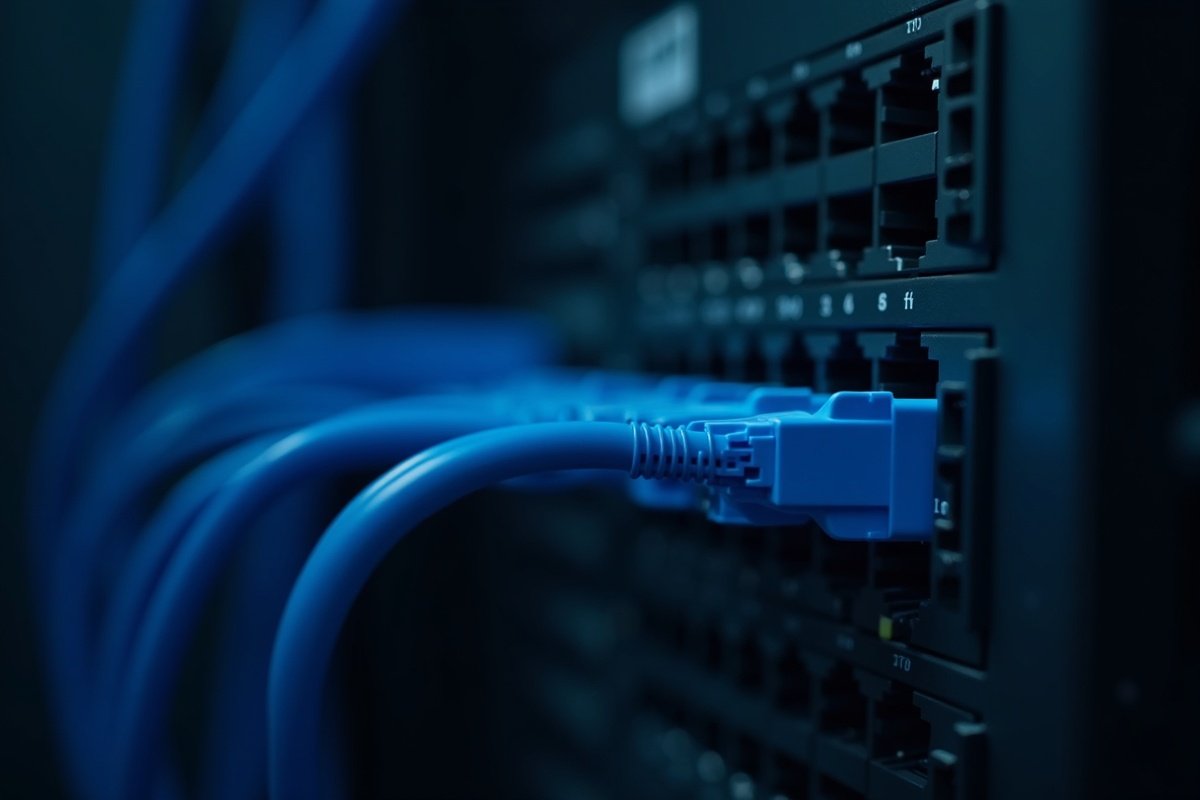
“Low voltage” is a broad term, but for most homeowners it means the cabling that carries data, audio, and video signals rather than household electrical power. This includes:
- Ethernet (Cat5e, Cat6, Cat6a) runs for wired internet connections
- Coaxial cable for cable TV or satellite feeds
- Cabling for security cameras and access control devices
- Speaker wire for whole-home audio
- Wiring to support intercom systems and smart-home hubs
A well-planned structured cabling layout acts as the nervous system of a modern home. Every smart device, from a video doorbell to a networked thermostat, ultimately depends on a solid wiring foundation to work reliably. If you want a deeper look at what a professional setup includes, our low voltage wiring services page breaks down the components in more detail.
It is worth noting that low voltage work is distinct from your home’s electrical system. Any task involving line-voltage wiring, such as installing a new switch, outlet, or light fixture, falls under a licensed electrician’s scope, not a low voltage installer’s. A reputable low voltage contractor will tell you this upfront rather than blur the lines.
Why Tarzana Homes Have Unique Wiring Challenges
Tarzana’s housing mix is part of what makes wiring projects here a little different from a cookie-cutter installation. The neighborhood includes everything from mid-century ranch homes near Ventura Boulevard to larger hillside properties with multiple stories and detached structures like guest houses or pool houses.
A few things we commonly see on jobs in this area:
Older construction with plaster or lath-and-plaster walls. Homes built decades ago were not wired for today’s internet speeds or camera systems. Fishing new cable through these walls takes more care and experience than working with modern drywall.
Larger lots with detached units. Many Tarzana properties have a separate garage, ADU, or guest house that needs its own network or camera coverage. This often means running cable underground or finding a clean path across the property instead of just inside one structure.
Mixed renovation history. Homes that have been remodeled in stages sometimes have mismatched or outdated wiring left behind from previous owners. Before adding anything new, it helps to have someone assess what is already there.
Hillside and multi-level layouts. Homes on sloped lots near the foothills often have wiring runs that need to travel vertically between floors, which requires planning around where panels, closets, and access points are located.
None of these challenges are unusual for an experienced installer, but they do mean a generic, one-size-fits-all wiring plan rarely works well in Tarzana. A site visit matters more here than in a newer, more uniform subdivision.
How to Evaluate a Low Voltage Contractor
Not every contractor who advertises “network wiring” has the same level of experience or attention to detail. Here is what we recommend homeowners check before hiring anyone:
Ask about licensing. In California, low voltage contractors should hold the appropriate license classification. Do not hesitate to ask for a license number and look it up yourself.
Ask how they plan cable runs. A good installer will talk through where cables will travel, how they will be secured, and how they plan to minimize interference from power lines or other obstacles. Vague answers are a red flag.
Ask about labeling and documentation. Unlabeled cabling is a nightmare for future troubleshooting. Professional installers label every run and, ideally, leave you with a simple map of what goes where.
Ask how they handle future upgrades. Technology changes. A thoughtful wiring plan leaves some slack in the cable and extra capacity at the panel so you are not tearing open walls again in a few years.
Ask what is excluded from their scope. If a contractor’s answer includes working on your home’s electrical panel, switches, or outlets, be cautious. That work belongs to a licensed electrician, and any low voltage company that blurs that line is one to think twice about.
Planning Your Project: A Practical Checklist
Before you contact anyone for a quote, it helps to walk through your home and think about a few things:
- List your priorities. Is this primarily about security cameras, better Wi-Fi coverage, a home theater, or all of the above? Your priorities shape where cable runs should go first.
- Note dead zones. Walk through your home with your phone and note rooms where Wi-Fi is weak. These are strong candidates for a wired access point.
- Think about outdoor areas. If you want cameras covering a driveway, backyard, or detached garage, those runs need to be planned early since they often require different cable types and weatherproofing.
- Consider your equipment closet or panel location. A central, accessible spot for your network panel makes future troubleshooting and upgrades much easier.
- Think long term, not just today. If you plan to add a home office, a media room, or additional cameras down the road, it is far cheaper to run extra cable now than to open walls again later.
Bringing this list to your first conversation with an installer saves time and helps them give you a more accurate, useful recommendation instead of a generic package.
What a Professional Installation Process Looks Like
When done right, a low voltage and network wiring project in a Tarzana home generally follows a predictable sequence:
Site assessment. A technician walks the property, reviews your goals, and identifies the best cable paths based on your home’s construction. This is also when they will flag anything that falls outside low voltage scope, such as electrical panel work, so that piece can be handled separately by a licensed electrician if needed.
Design and planning. Based on the walkthrough, the installer puts together a plan covering cable types, quantities, and routing. This is the stage to ask questions and adjust priorities if your budget or timeline requires it.
Installation. Cable is run through walls, attics, or crawl spaces with minimal disruption to your home. Experienced technicians know how to patch and route cable with as little visible impact as possible, especially in finished homes where cutting into drywall needs to be done thoughtfully.
Termination and testing. Every cable run gets terminated properly and tested to confirm it meets performance standards. This step gets skipped by less careful installers and is often the source of mysterious connectivity problems down the road.
Labeling and walkthrough. You should receive clear labeling at the panel and a final walkthrough explaining what was installed and where.
If you are ready to talk through your specific home and goals, our contact page is the fastest way to get a conversation started.
Frequently Asked Questions
Do I need new wiring if my Tarzana home already has internet and cable? Not always, but older wiring is often not rated for modern speeds or multiple devices. A quick inspection can tell you whether your existing cable can support current needs or if an upgrade makes sense.
Can low voltage wiring support both security cameras and home network devices? Yes. Many homeowners combine camera cabling, network wiring, and smart-home device connections into one coordinated plan. This is more efficient than running separate projects for each system.
Will installing new wiring damage my walls? Experienced installers minimize damage by using existing access points, attics, and crawl spaces whenever possible. Some patching is sometimes unavoidable, but a careful technician keeps it to a minimum and leaves things tidy.
Does OnBoard IT Tech handle electrical work along with low voltage wiring? No. OnBoard IT Tech focuses exclusively on low voltage systems such as networking, cameras, access control, and structured cabling. Any line-voltage electrical work, including switches, outlets, or fixtures, is handled by a licensed electrician, not by our team.
Ready to Get Your Home Wired Right?
Whether you are building out a smart home system, improving Wi-Fi coverage, or adding security cameras to your Tarzana property, the right wiring foundation makes everything work better and last longer. The OnBoard IT Tech team has served Los Angeles homeowners since 2015, with roots in the low voltage industry dating back to 2004.
Call us at (818) 564-3496 or request a free on-site assessment through our contact page to get a plan built around your specific home.