
By the OnBoard IT Tech team, a licensed LA installer (CA #1039864). Serving Los Angeles since 2015.
If you own a home in Van Nuys and you’re thinking about adding security cameras, Wi-Fi access points, a smart intercom, or just better internet coverage room to room, it all comes back to one thing: the wiring behind the walls. Low voltage and network wiring is the quiet infrastructure that makes every smart device in your house actually work the way it’s supposed to. This guide walks through what it is, why it matters for homes in this part of the Valley, and what to expect if you’re planning a project.
What Low Voltage and Network Wiring Actually Means
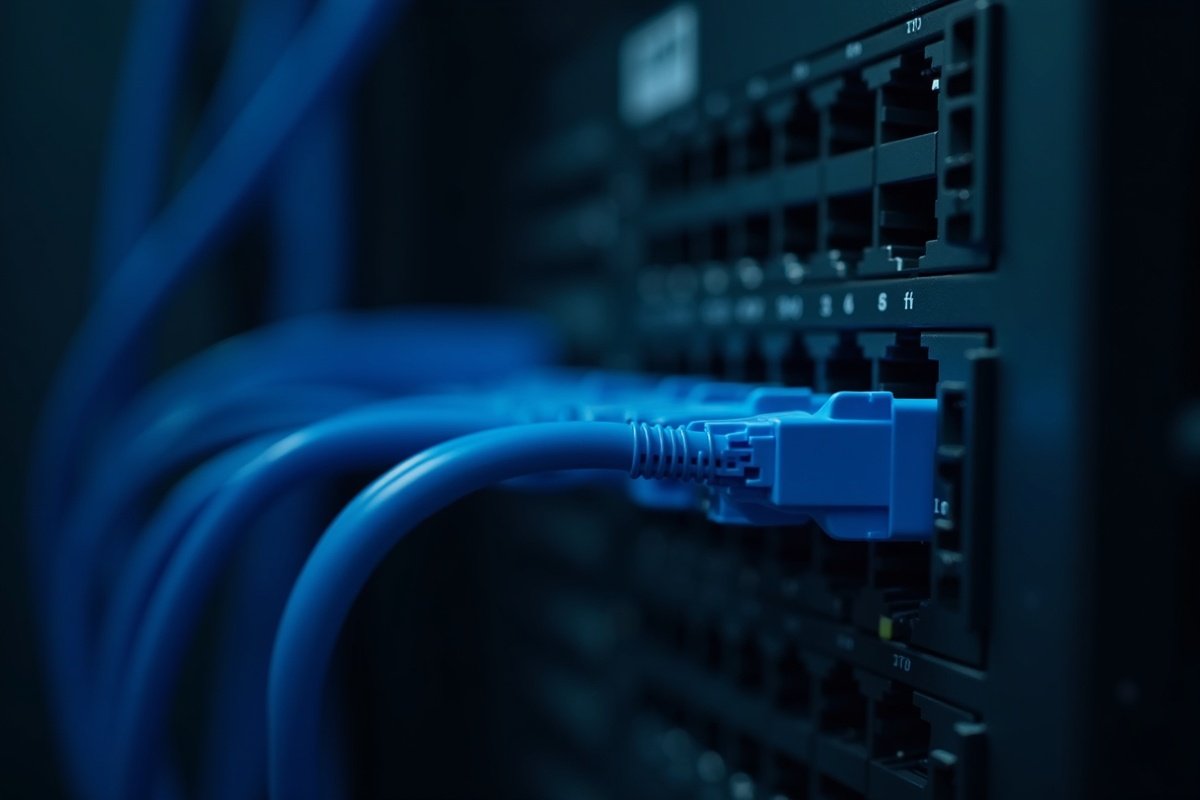
Low voltage wiring covers any cabling that carries data or small amounts of power rather than full household electrical current. That includes Ethernet cable (like Cat5e and Cat6), coaxial cable for video, and the cabling that connects security cameras, access control readers, intercoms, and Wi-Fi access points back to a central point in your home.
This is different from the wiring an electrician runs for your outlets, switches, and light fixtures. That work involves line voltage and requires a licensed electrician. OnBoard IT Tech handles the low voltage side only. If a project ever needs an outlet added or an electrical panel touched, we bring in a licensed electrician to handle that portion, and we coordinate the timing so your project stays on track.
For homeowners, the practical upshot is this: good low voltage wiring is what lets your cameras record reliably, your Wi-Fi reach the back bedroom, and your smart home devices talk to each other without constant dropouts. Skimping on this part of a project usually shows up later as buffering video, weak signal, or a system that needs to be reset every week.
Why Van Nuys Homes Have Unique Wiring Needs
Van Nuys has a wide mix of housing stock, and that matters more than people expect. You’ve got single-story ranch homes built in the 1950s and 60s with original wiring still in the walls, newer stucco builds from the 80s and 90s, apartment-style condos, and a growing number of ADUs tucked behind existing houses. Each of these comes with its own wiring challenges.
Older homes in neighborhoods near Van Nuys Boulevard or around Sherman Way often have plaster or lath-and-plaster walls, which are tougher to fish cable through than modern drywall. Homes with additions may have mismatched wall types from one room to the next. And properties with detached garages or ADUs need a clear plan for running cable outside without it looking messy or being exposed to weather.
We’ve also seen a lot of homeowners in this area who moved in with an older coax setup from a previous cable TV install and want to repurpose or upgrade that infrastructure for modern networking and camera use. Knowing what’s already in the walls, and what can be reused versus what needs to be replaced, is a big part of doing this work well in a city with this much variety in building age.
Planning Your Project: What to Think About First
Before any cable gets pulled, it helps to think through a few things:
What do you actually want to run? Security cameras, a video intercom, Wi-Fi access points, a structured cabling panel for whole-home networking, or some combination. Each device has different placement needs and cable requirements.
Where’s your equipment going to live? Most homes benefit from a central location, like a closet, garage wall, or utility room, where a patch panel, network switch, and router can live together. This keeps your system organized and easier to troubleshoot later.
Attic or crawlspace access matters. Homes in Van Nuys with usable attic space generally make for faster, cleaner installs because cable can be run above the ceiling and dropped down through walls rather than fished horizontally.
Future-proofing is worth the small extra cost. Running one or two extra cable drops to a spot while the walls are open is far cheaper than coming back later. If you think you might add a camera over the garage next year, mention it now.
If you’re not sure what you need yet, that’s normal. A good installer should be able to walk your home, ask about how you actually live and use the space, and recommend a wiring plan that fits your budget rather than oversell you. You can read more about how we approach this on our low voltage wiring services page.
How the Installation Process Works
A typical low voltage and network wiring project in a Van Nuys home follows a few stages:
First, we do a walkthrough of the property, inside and out, to look at attic access, wall types, where you want devices, and where your network equipment will be centralized. This is also when we flag anything that might need a licensed electrician, such as a dedicated outlet near a planned equipment rack.
Next comes the cable run itself. Technicians work through attics, crawlspaces, or along baseboards and in wall cavities to get cable from each device location back to the central point. In homes where fishing cable through finished walls isn’t practical, we talk through alternatives, including minimal surface raceway that’s been color-matched to blend in.
After the cabling is in place, every run gets terminated and tested for signal quality. This step gets skipped by less careful installers, but it’s what prevents the “my camera keeps dropping offline” call three months later. We label everything at the panel so that if you ever need service down the line, whoever shows up can understand the system quickly.
Finally, we handle cleanup. Low voltage work tends to be less invasive than other trades, but accessing attics and walls still creates some mess. A professional crew leaves your home the way they found it, aside from the new jacks and devices.
Common Issues We See in Van Nuys Homes
A few patterns come up often enough to mention. Homes built before the 1970s frequently have little to no existing low voltage infrastructure, meaning everything is a new run. Homes that already have cable TV wiring sometimes have coax that’s degraded or was never properly grounded, which causes signal issues for anything connected to it now. And a surprising number of homes have Wi-Fi dead zones simply because the router was placed wherever the internet line happened to enter the house, not where it would actually cover the home best.
Running a dedicated network cable to a spot in the house where you want a second Wi-Fi access point almost always outperforms trying to solve weak Wi-Fi with another mesh unit alone. It’s a simple fix, but one a lot of homeowners don’t realize is available to them until someone walks the house and points it out.
Frequently Asked Questions
Do I need new wiring if my Van Nuys home already has cable TV jacks? Not always. Existing coaxial wiring can sometimes be reused for networking or repurposed for camera feeds, depending on its condition and routing. We test existing cable during the walkthrough to see what’s usable before recommending new runs.
Can you add wiring without cutting into my walls? In many cases, yes, especially in homes with attic or crawlspace access that lets us route cable above or below the living space. When a wall has to be opened, we keep the opening as small as possible and patch-ready drywall work is coordinated separately from our low voltage scope.
Does OnBoard IT Tech handle electrical outlets for my network equipment? No. We handle low voltage cabling and device installation only. If your project needs a new electrical outlet or any line-voltage work, we coordinate with a licensed electrician to complete that portion.
How long does a typical wiring project take? It depends on the size of the home, the number of devices, and wall access. A small single-area project might take a matter of hours, while whole-home structured cabling for several rooms takes longer. We’ll give you a clear estimate after seeing the property.
Get Your Van Nuys Home Wired Right
Low voltage and network wiring isn’t the most exciting part of a smart home or security project, but it’s the part that determines whether everything else actually works well for years to come. If you’re planning cameras, access control, an intercom, or just better networking throughout your Van Nuys home, it’s worth getting the wiring done by someone who does this work every day.
OnBoard IT Tech is a licensed low voltage installer (CA #1039864) serving Los Angeles since 2015. Call us at (818) 564-3496 or request a free on-site assessment and we’ll walk your home, answer your questions, and put together a wiring plan that fits your space and your budget.