By the OnBoard IT Tech team, a licensed LA installer (CA #1039864). Serving Los Angeles since 2015.
Hollywood homes come in all shapes: hillside properties tucked into the canyons, classic bungalows near Franklin Village, and newer multi-unit buildings close to the studios. Whatever you own, the question we hear most often is the same: “Where do I even start with smart home automation?” This guide walks through what matters, what to prioritize, and how to plan an install that actually works for your household, not just a pile of gadgets that never talk to each other.
We’ve spent years installing low-voltage systems across Los Angeles, with team experience in the industry going back to 2004. What we’ve learned is that good smart home automation isn’t about buying the most devices. It’s about choosing the right ones and wiring them correctly so they’re reliable for years, not just for the first few weeks.
What “Smart Home Automation” Actually Means
Smart home automation is simply a set of connected systems that let you monitor, control, and automate parts of your home from your phone or a central panel. For most Hollywood homeowners, that typically includes:
- Security cameras you can check from anywhere
- Access control for gates, garages, or entry doors
- Video intercom for visitors and deliveries
- Smart locks and sensors tied into one app
- Structured cabling that keeps everything running fast and stable
A quick note on scope: OnBoard IT Tech handles the low-voltage side of these systems. That’s cameras, access control hardware, intercoms, cabling, and smart-home devices that run on low-voltage wiring. If a project calls for new electrical circuits, outlets, or fixture wiring, that part is handled by a licensed electrician we coordinate with. This keeps your project code-compliant and safe.
Why Hollywood Homes Need a Tailored Approach
Hollywood isn’t a one-size-fits-all neighborhood, and that matters for planning smart home automation. A hillside home off Mulholland has different Wi-Fi and cabling challenges than a flat-lot property near Sunset Boulevard. Older homes often have plaster walls and limited existing conduit, which affects how we route cabling. Newer builds and renovated units may already have some infrastructure in place, but it’s not always done with future upgrades in mind.
We also see a lot of short-term rentals and second homes in this area, where owners want to check in remotely without hiring someone to visit in person. For those properties, reliable remote access to cameras and door entry systems is often the top priority, more so than lighting scenes or voice assistants.
Before any install, we walk the property, look at your internet setup, and talk through how you actually live in the space. A system that looks good on paper but doesn’t match your daily habits usually ends up unused within a few months.
Core Components Worth Prioritizing
If you’re building a smart home automation plan in stages, here’s a sensible order to think about:
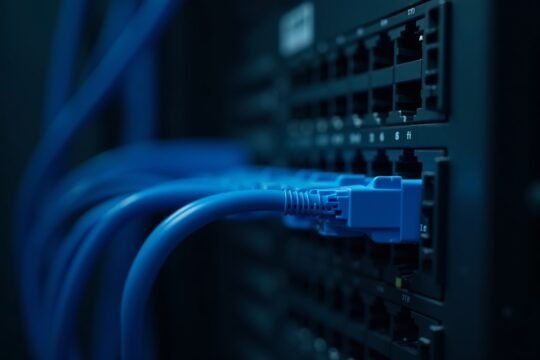
1. Structured cabling first. Even in a wireless world, a solid cabling backbone makes everything else more reliable. Cameras, access points, and smart hubs perform better on wired connections when possible, especially in larger or multi-story homes.
2. Cameras with clear coverage of entry points. Driveways, front doors, side gates, and backyards are the areas owners ask about most. We’ll help you figure out where cameras make the most sense for your layout, without over-promising on exact coverage distances since every property is different.
3. Access control for gates and doors. Keypad entry, card readers, or app-based unlocking can replace traditional keys at gates, garages, and side entrances. This is especially useful for Hollywood homes with guest units, housekeepers, or frequent visitors.
4. Video intercom. A video intercom at the front gate or door lets you see and talk to visitors before they’re ever near your home. It pairs well with access control for a smoother entry experience for guests and deliveries.
5. Smart locks and sensors. These tie into your broader system so you get one app, not five.
6. Lighting and climate controls. These are nice additions once the core security and access layer is solid. Note that any new switch, outlet, or line-voltage lighting circuit work is something we bring in a licensed electrician for. We handle the low-voltage controls and integration.
If you want a deeper breakdown of how these pieces fit together, our smart home automation services page covers the specifics of what we install and support.
Planning Your Install: What to Expect
A typical project starts with a walkthrough of your home, during which we look at your current wiring, internet setup, and the specific problems you’re trying to solve. From there, we put together a plan that fits your home’s layout and your budget, rather than pushing a generic package.
During installation, we focus on clean cable runs, properly mounted hardware, and configuration that makes sense for daily use, not just a demo. We also test everything on-site before we consider the job done, including app access and remote viewing where applicable.
One thing we always recommend: don’t try to make every device from every brand work together. Compatibility issues are one of the biggest reasons smart home systems get abandoned. We help you choose hardware that’s designed to work as a system, so you’re not stuck troubleshooting app conflicts six months later.
Common Mistakes Hollywood Homeowners Make
We see a few patterns repeat across Hollywood properties:
- Buying consumer-grade cameras without planning cabling first. Wireless cameras are convenient, but battery changes and spotty connections get old fast in a hillside home with thick walls.
- Skipping access control until after a problem happens. Adding a keypad or video intercom after a gate incident is common, but it’s far less stressful to plan ahead.
- Overlooking network capacity. More cameras and smart devices mean more demand on your home network. If your router and switches aren’t sized for it, performance suffers across the board.
- DIY installs that skip permits or proper mounting. This can create problems later, especially if you sell the home or need warranty support.
Working with a licensed installer helps you avoid these issues from the start. If you’re not sure what your home currently has or needs, a short on-site visit usually clears things up quickly.
Getting Started the Right Way
If you’re considering smart home automation for a Hollywood property, the best first step is a conversation, not a shopping list. Tell us what’s bothering you, whether that’s not knowing who’s at the gate, wanting to check cameras while traveling, or simply wanting fewer keys to manage. From there we can recommend a system that fits your home instead of asking you to adapt to someone else’s package.
Our team has been serving Los Angeles homeowners since 2015, with roots in the industry going back to 2004, so we’ve seen how these neighborhoods and their housing stock vary block by block. That experience shapes every proposal we put together.
Frequently Asked Questions
Do I need new wiring for smart home automation if my house is older? Often, yes, at least in part. Many older Hollywood homes don’t have the low-voltage cabling needed for reliable camera or access control systems. During your walkthrough, we’ll assess what’s already in place and recommend only the cabling that’s actually needed, rather than rewiring the whole house unnecessarily.
Can you integrate cameras, access control, and intercom into one app? In most cases, yes. We prioritize hardware that’s designed to work together so you’re not juggling several apps for different parts of your system. The exact setup depends on the brands and devices chosen during planning.
What if my project also needs electrical work, like a new outlet or switch? That falls outside our low-voltage license. We coordinate with a licensed electrician for any line-voltage work, such as new circuits, outlets, or fixture wiring, so your project stays fully code-compliant.
How do I know what level of system is right for my home? This really depends on your property size, layout, and how you use the space. The most reliable way to find out is a free on-site assessment, where we look at your home in person and recommend options without overselling equipment you don’t need.
Ready to Plan Your Smart Home Automation Project?
Smart home automation works best when it’s planned around your actual home and habits, not a generic package. If you’re in Hollywood or anywhere else in Los Angeles, we’re happy to take a look and talk through honest options.
Call us at (818) 564-3496 or request a free on-site assessment through our contact page. We’ll help you build a system that fits your home now and holds up well into the future.