By the OnBoard IT Tech team, a licensed LA installer (CA #1039864). Serving Los Angeles since 2015.
If you’re thinking about home theater installation in Pasadena, you’ve probably already looked at a few options online and found a lot of conflicting advice. Some of it is generic, some of it is written for a different climate or a different kind of home entirely. This guide is meant to cut through that and give you a clear, practical picture of what a home theater project actually involves in a Pasadena home, from older Craftsman bungalows near Old Town to newer builds in Hastings Ranch or Linda Vista.
We’ve spent years running low-voltage cabling and setting up audio/video systems across Los Angeles, and Pasadena’s mix of historic homes and renovated properties brings its own set of considerations. Here’s what homeowners need to know before they start.
Why Pasadena Homes Present Unique Challenges
Pasadena has a lot of character, and that character sometimes complicates home theater installation. Many homes in neighborhoods like Bungalow Heaven or South Pasadena-adjacent streets were built decades before anyone imagined a 75-inch television mounted above a fireplace. That means:
- Plaster walls and lath construction that require different mounting and fishing techniques than modern drywall.
- Limited or outdated wiring infrastructure, since these homes were never built with structured cabling in mind.
- Smaller, more defined rooms rather than the open-concept great rooms you see in newer construction, which changes how we think about speaker placement and screen size.
On the other end, newer Pasadena builds and recent renovations often have more flexible wall cavities and attic access, which makes running cable easier but doesn’t eliminate the need for careful planning. Either way, a good installer walks through your specific home before recommending anything. We never assume one layout fits every property.
Planning Your System: What to Decide Before Installation Day
A home theater installation in Pasadena really starts with a handful of decisions, and making them early saves time and rework later.
Room purpose. Is this a dedicated media room with controlled lighting and seating, or a living room that doubles as your theater? The answer changes everything from screen placement to speaker count.
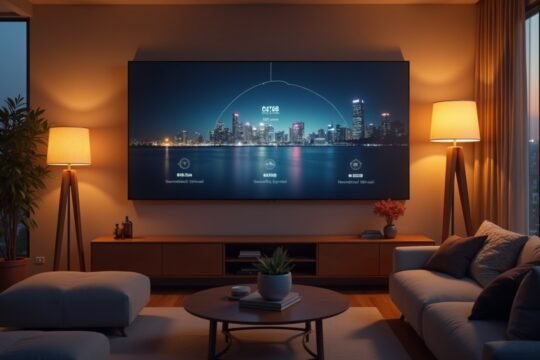
Screen or projector. Flat-panel TVs work well in multi-purpose rooms with ambient light. Projectors and projection screens shine in dedicated, darker rooms and can deliver a larger image, but they need the right throw distance and a wall or ceiling mount that’s installed correctly.
Speaker layout. Most homeowners choose between a soundbar-based setup, a traditional 5.1 or 7.1 surround system, or in-ceiling and in-wall speakers for a cleaner look. Each option has trade-offs in sound quality, visible hardware, and cabling complexity.
Source equipment. Streaming devices, a receiver, a gaming console, maybe a dedicated media server. Where this equipment lives (a rack in a closet versus a console in the room) affects cable runs and ventilation needs.
Control. Some homeowners want a single remote or app to manage everything. Others are fine with separate remotes for TV, sound, and streaming. We size the system to match what you’ll actually use day to day.
Working through these decisions with an installer before the quote stage leads to a more accurate estimate and fewer surprises once work begins.
The Low-Voltage Wiring Behind a Great Home Theater
The part of home theater installation that homeowners see the least, and that matters the most, is the cabling. This is where our structured cabling background really comes into play. A theater system needs clean runs for:
- HDMI cables between your source equipment and display, often run inside walls for a finished look.
- Speaker wire to each surround or in-ceiling speaker location.
- Network cabling if your streaming devices or receiver benefit from a wired connection instead of relying on Wi-Fi alone.
- Low-voltage lines for any in-wall volume controls or keypads.
All of this is low-voltage work, which is our focus. If your project also calls for new electrical outlets behind the TV or additional power circuits for a media rack, that line-voltage work is handled by a licensed electrician, and we coordinate scheduling so everything comes together smoothly. We don’t perform electrical work ourselves, and we won’t pretend otherwise. If you want a closer look at how we approach wiring and equipment integration, our home theater system installation page breaks down the process in more detail.
Mounting, Placement, and Avoiding Common Mistakes
A surprising number of home theater problems trace back to mounting and placement, not the equipment itself. A few things we see often in Pasadena homes:
TV height. Mounting a television too high above a fireplace is one of the most common requests we get, and also one of the most common regrets. We talk homeowners through eye-level seating positions before anything goes on the wall.
Speaker placement without a plan. Surround speakers placed for symmetry rather than actual listening position can leave a “hole” in the sound. We measure based on where people actually sit, not just where it looks balanced on paper.
Wall material surprises. Pasadena’s older plaster and lath walls sometimes hide surprises, like old knob-and-tube remnants or uneven stud spacing. We check before cutting, not after.
Cable management. Visible cables running down a wall or pooling behind a media console is avoidable with proper in-wall or in-conduit routing, planned from the start rather than patched in later.
Getting these details right the first time is the difference between a home theater that feels professionally finished and one that feels like a weekend project.
What to Expect During Your Installation
Most Pasadena home theater projects follow a similar rhythm, though the timeline depends on the scope of work and the condition of your walls.
- On-site assessment. We look at the room, discuss your goals, and identify any wiring or structural considerations specific to your home.
- Proposal and plan. You’ll get a clear scope of work covering equipment placement, cable routing, and what’s included.
- Installation day(s). Cabling, mounting, and equipment setup happen in a logical sequence to minimize disruption to your home.
- Testing and walkthrough. Before we consider the job done, we test the system with you and make sure the control setup makes sense for your household.
If your project also requires new electrical circuits or outlet relocation, we’ll flag that early so a licensed electrician can be scheduled alongside our work, keeping the overall timeline predictable.
Choosing a Home Theater Installer in Pasadena
Pasadena homeowners have plenty of options, but a few things are worth asking any installer before you sign a contract:
- Are they licensed, and can they provide a license number? (Ours is CA #1039864.)
- Do they handle the low-voltage cabling themselves, and how do they handle any electrical work that falls outside their license?
- Will they do an in-person assessment, or are they quoting sight unseen?
- Do they explain trade-offs (projector vs. TV, in-wall vs. bookshelf speakers) instead of just upselling the most expensive option?
We’ve been serving Los Angeles since 2015, with team experience in low-voltage and AV work going back to 2004, so we’ve seen most of the situations a Pasadena home can present. That said, every home is different, which is exactly why we start with a conversation and a walkthrough rather than a one-size-fits-all package.
Frequently Asked Questions
Do I need to rewire my whole house for a home theater? No. In most cases, we run new low-voltage cable just for the theater room and the path back to where your equipment lives, such as a closet or rack location. A full rewire is only necessary if you’re planning whole-home audio or multiple video zones.
Can you install a home theater in an older Pasadena home with plaster walls? Yes, though it requires more careful fishing of cables and sometimes different mounting hardware than drywall. We assess the wall construction during the on-site visit so there are no surprises on installation day.
What if my room needs new electrical outlets for the theater equipment? That’s line-voltage electrical work, which falls outside our low-voltage license. We’ll identify the need during planning and coordinate with a licensed electrician so the electrical work and our low-voltage installation fit together on the same timeline.
How long does a typical home theater installation take? It depends on the scope, the condition of your walls, and how much equipment is involved. A straightforward TV and soundbar setup can be quick, while a dedicated media room with in-ceiling speakers and a hidden equipment rack takes longer. We’ll give you a realistic timeframe after the on-site assessment.
Ready to Plan Your Pasadena Home Theater?
A well-planned home theater installation in Pasadena comes down to good wiring, thoughtful placement, and an installer who takes the time to understand your room before picking up a drill. If you’re ready to get specific recommendations for your home, reach out to our team for a free on-site assessment, or call us directly at (818) 564-3496 to talk through your project.