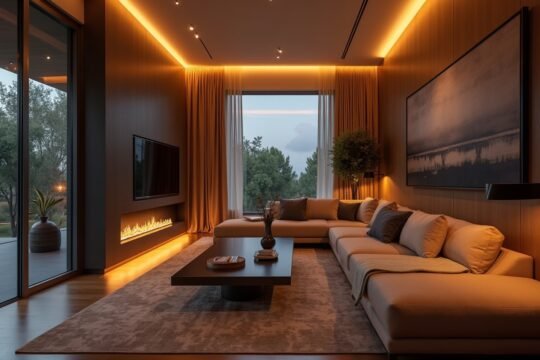

Smart home automation sounds simple until you own it. A pile of apps that don’t talk to each other, a light that only listens half the time, a camera feed you can never find when you actually need it. After planning and installing smart home automation for Encino homes and across Los Angeles, we’ve learned that the homes people love a year later were planned around how the family actually lives, not around a gadget someone saw in a store. This guide walks through the decisions that make the difference, so you can build a system that feels effortless instead of one you fight with.
By the OnBoard IT Tech team, a licensed LA installer (CA #1039864). Serving Los Angeles since 2015.
Start with the problems, not the products
The best automation plans begin with a short, honest list of annoyances. Do the outside lights get left on all night? Does everyone forget to lock the back door? Do you want to see who is at the gate before you walk over? Is the house dark and cold when you get home? Each of those is a small daily friction, and each one maps cleanly to something automation handles well. When you start from the problem, the equipment list almost writes itself, and you avoid paying for features that look impressive in a demo but never get used in real life.
The core building blocks
Most home automation is a handful of parts working together, and knowing what each one does helps you spend where it matters.
- Lighting control is where most people feel the difference first: schedules, scenes, and the ability to turn everything off from one place.
- Smart locks and entry let you grant and revoke access without handing out keys, and tell you whether the door is actually locked.
- Cameras and video entry give you eyes on the property and a way to see and speak to whoever is at the gate or door.
- Climate and shades keep the house comfortable on a schedule and can respond when you leave or come home.
- A central hub or controller is the piece that ties it together, so one app or one keypad runs the whole system instead of five separate ones.
You do not need all of these on day one. A thoughtful plan starts with the parts that solve your biggest frictions and leaves room to add the rest later.
Wired, wireless, or a mix
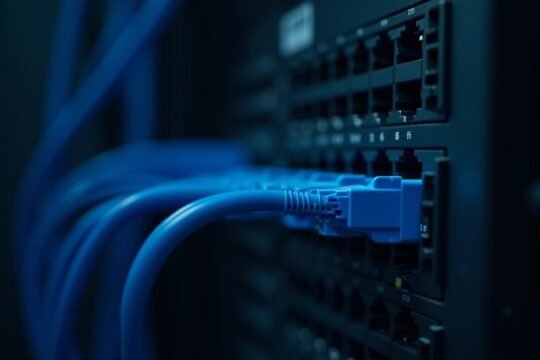
Automation can run over wireless links or over dedicated low-voltage cabling, and the right answer is usually a mix. Wireless devices are quick to add and flexible, which is perfect for a lamp or a sensor you might move. For the pieces you rely on every day, a wired backbone, the low-voltage cabling we specialize in, tends to be more dependable because power and connection stay constant. For a larger Encino home, or one with a gate and a long driveway, a wired core with wireless at the edges usually gives you the best of both: reliability where it counts and flexibility everywhere else.
Keep it simple enough that everyone uses it
A system only earns its cost if the whole household will actually use it, including guests and family members who are not interested in technology. That means fewer apps, clear scenes with names that make sense, and a physical keypad or button for the things people do every day so nobody has to hunt for a phone. Before we install anything, we talk through who lives in the home and how they move through it. A system a teenager and a grandparent can both operate is worth far more than a clever one only you understand.
Wiring, power, and staying in scope
Automation work is low-voltage, which is what we are licensed for. A reliable system needs its devices linked cleanly and a sensible plan for network coverage and backup power so things keep working through a blip. Where a job touches line-voltage electrical work, such as a new circuit or a fixture install, we bring in a licensed electrician rather than doing that part ourselves, which keeps everything safe and to code. When you compare quotes, ask each installer to spell out what is included and who handles the electrical side. A clear answer there tells you a lot about how the whole project will go.
What it costs and how to start
Prices vary too much to quote from a blog post, because a two-room starter setup and a whole-home system are different projects. Rather than guess with a number that will not fit your home, we offer a free on-site assessment: we walk your property, talk through the frictions you want to solve, and give you one honest quote for a system that fits. We are licensed and insured, and we have served Los Angeles since 2015, so the same team plans, installs, and supports what you buy. You can start on our smart home automation page or request a visit from the contact page.
Frequently asked questions
What should I automate first? Start with your biggest daily frictions, usually lighting and entry. They deliver the most noticeable improvement for the least complexity, and they give you a foundation to build on later.
Will I need to replace everything I already own? Not necessarily. Many existing devices can fold into a well-planned system. On a walkthrough we note what you have and design around keeping the pieces that still serve you.
Is a smart home hard for guests or less tech-savvy family to use? It should not be. Good design means named scenes and physical buttons for everyday actions, so anyone can operate the essentials without opening an app.
How do I get started in Encino? Call 818-564-3496 or request a free on-site assessment at https://onboardittech.com/contact-us/. We will walk your home, talk through what you want to automate, and give you one honest quote for a system that fits.